


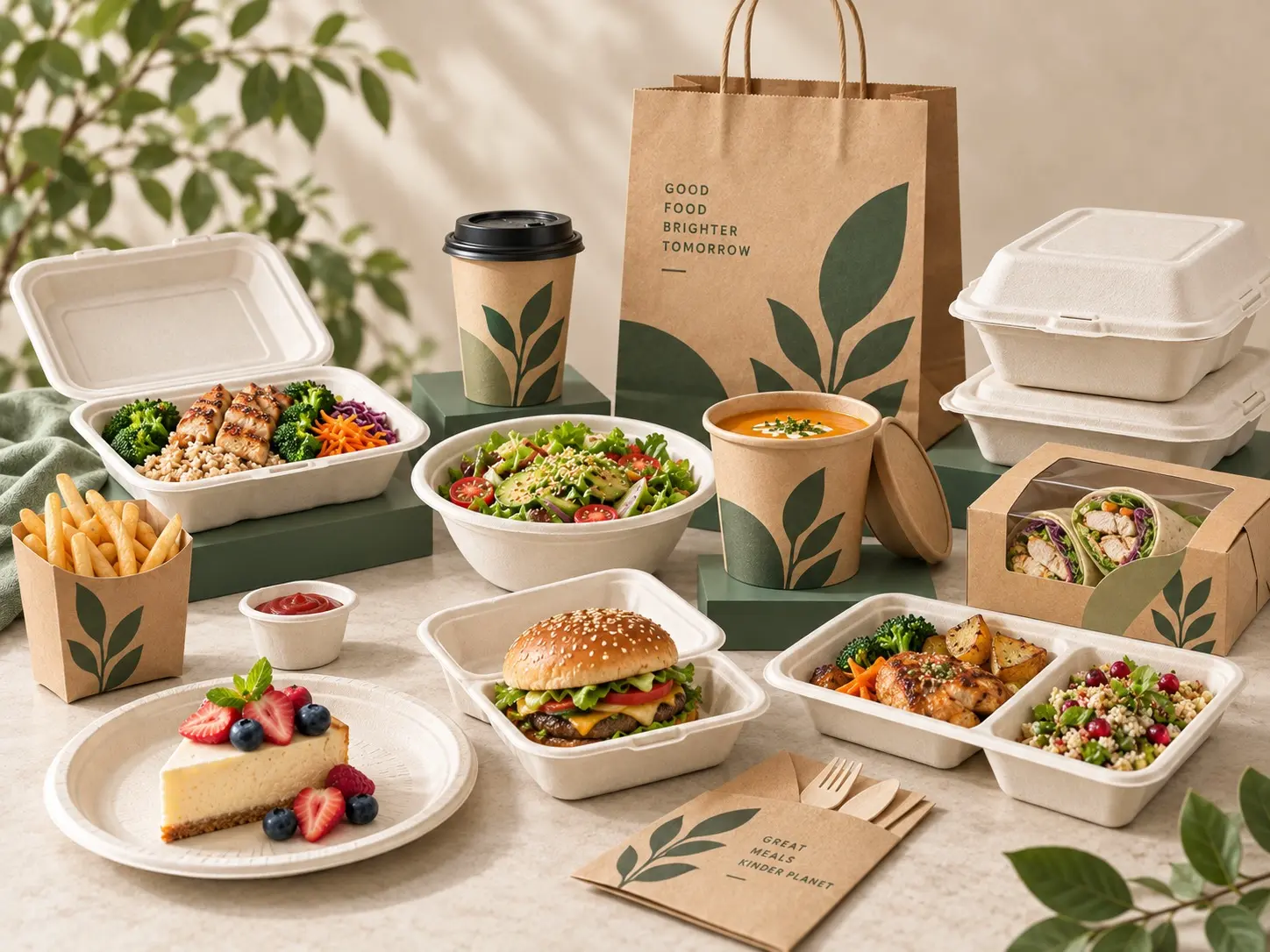
Confezioni per ristoranti
Coordinate tableware, takeaway containers, drinkware and carrying packaging around the menu, portion sizes and service method.
View Restaurant Packaging

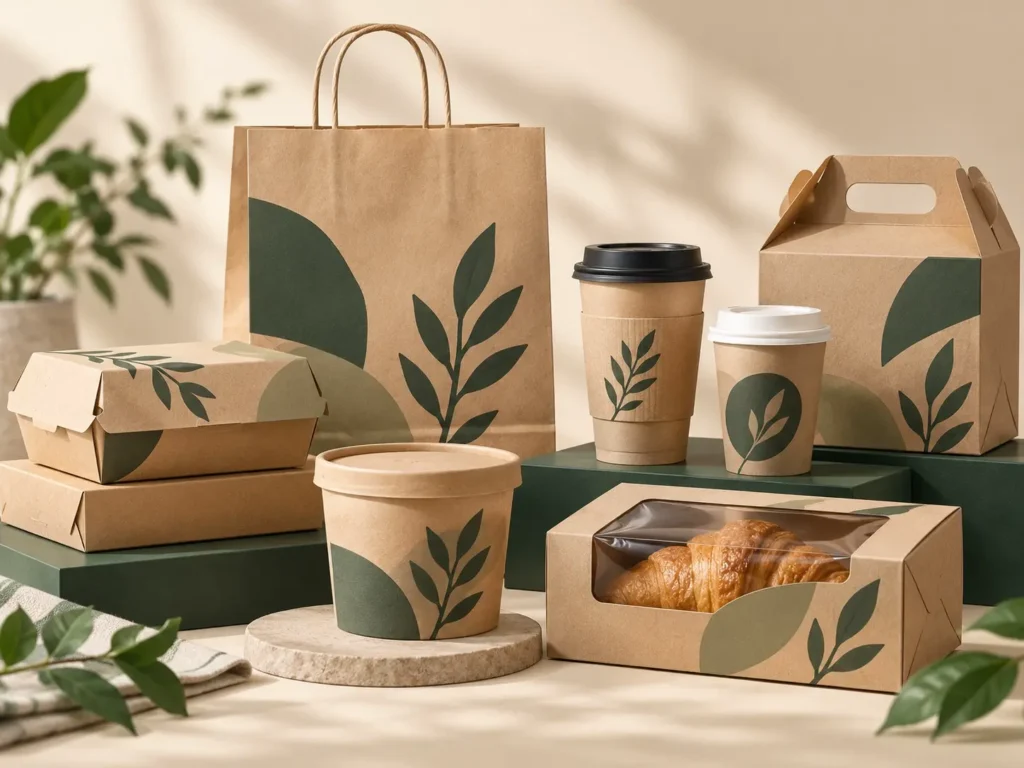
Youshang supports custom food packaging projects for importers, distributors, restaurant groups, beverage businesses, retailers and private-label brands. A project can begin with an available product, branded packaging or a new product concept.
Tell us what will be packed, how the packaging will be used and what you want to change. We will review the suitable product family, specification, printing, packing, development work, minimum order quantity and expected production time before quotation.
The right route depends on whether you need branding only, changes to an available format or a completely new package.
Choose an existing size and structure, then review custom printing, labels, bags, sleeves or outer cartons where suitable.
Request changes to size, capacity, sections, closure or another product detail. We first check whether new development or tooling is required.
Begin with a sample, drawing, reference photo or clear description. The structure, material, development method and order plan are reviewed before work starts.
Choose the situation closest to your business. Each page explains the packaging combination, purchasing questions and custom details that matter for that use.
Coordinate tableware, takeaway containers, drinkware and carrying packaging around the menu, portion sizes and service method.
View Restaurant Packaging →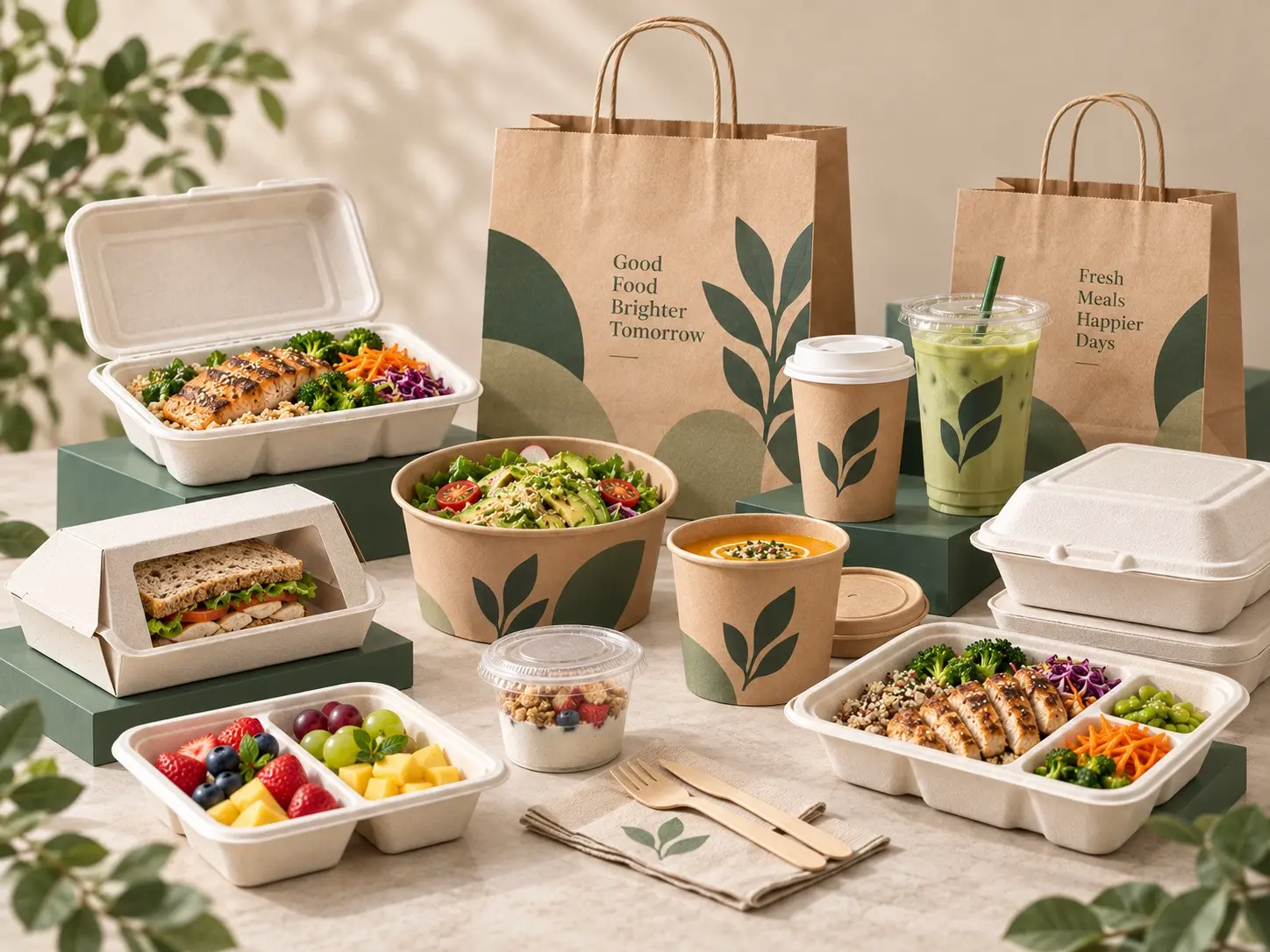
Select containers, lids, bags and supporting items according to the food, delivery time, carrying method and stacking needs.
View Food Delivery Packaging→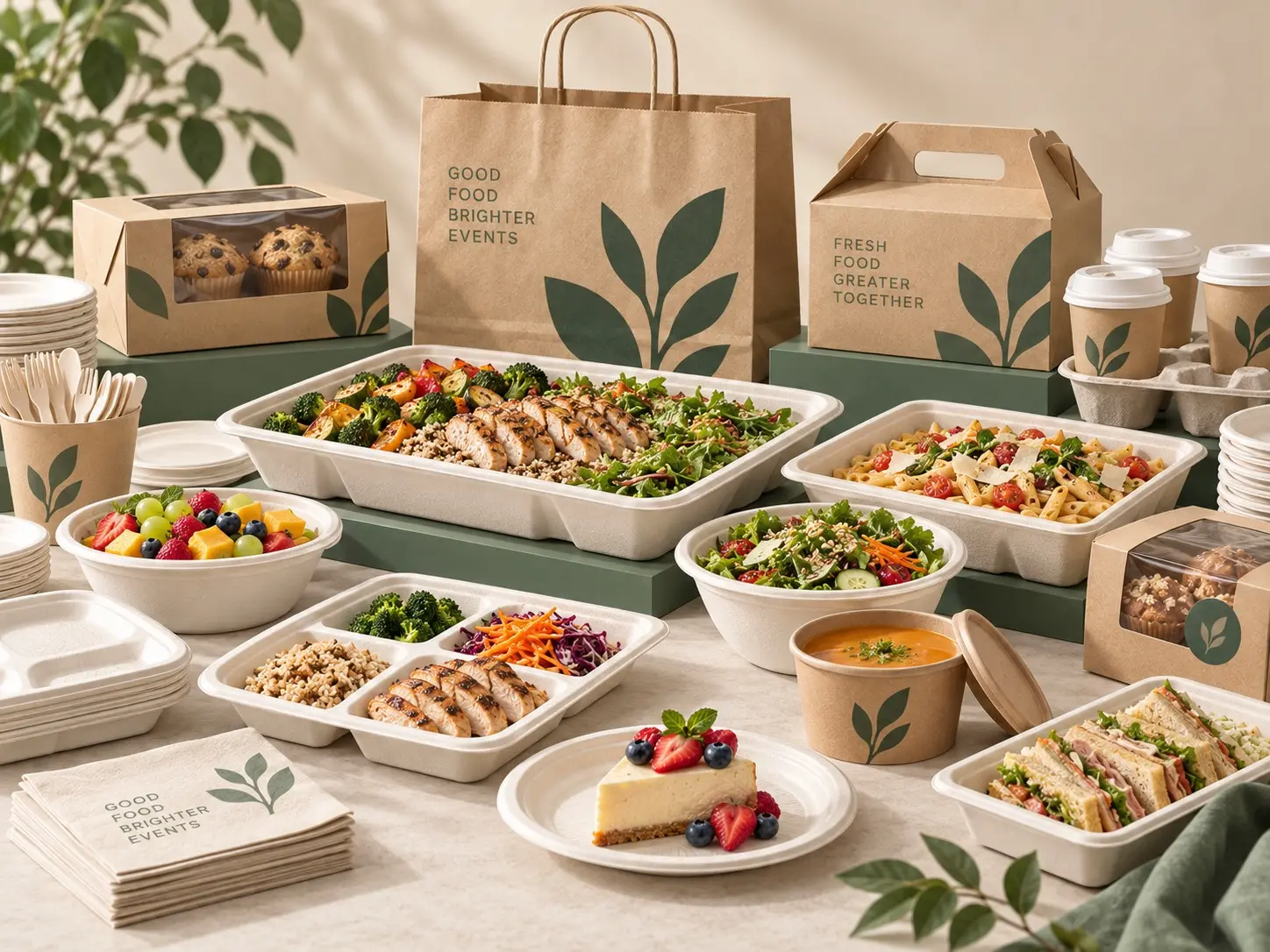
Plan plates, bowls, trays, meal boxes and cutlery for events, group meals, transport, serving setup and different portion sizes.
View Catering Packaging →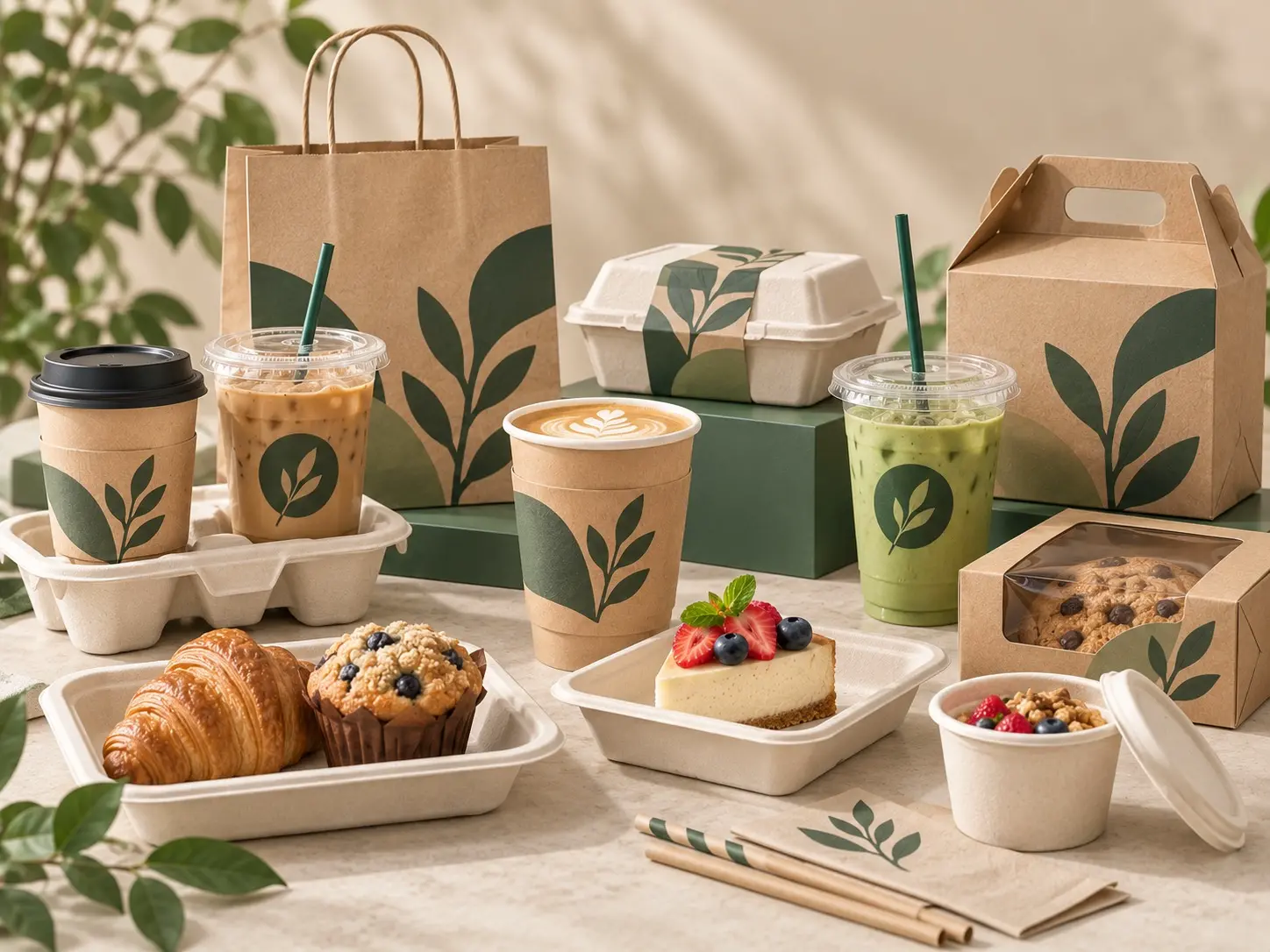
Combine cups, matching lids, straws, bags and bakery packaging around beverage sizes, takeaway service and brand presentation.
View Coffee Shop Packaging →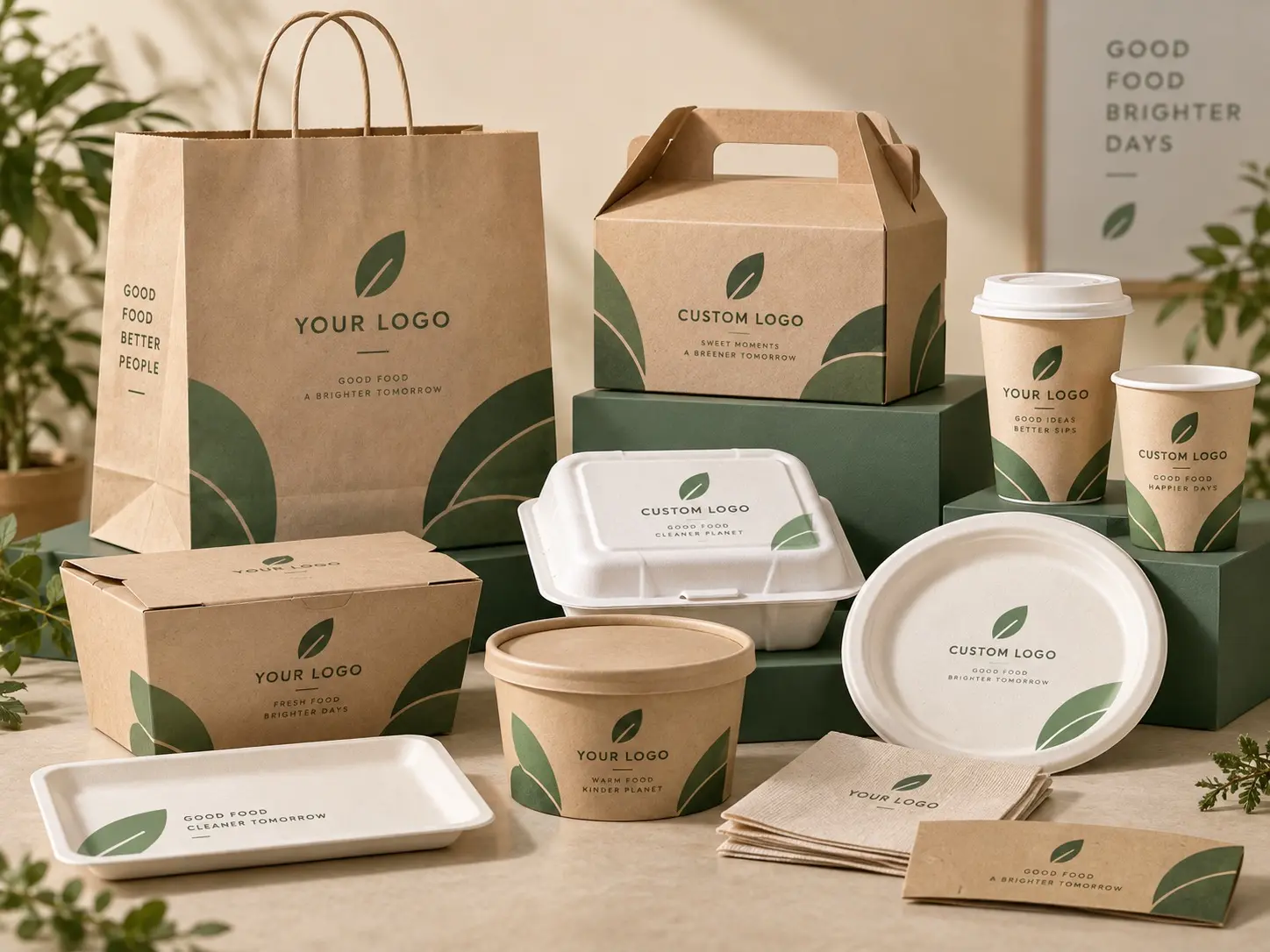
Review existing products, custom structures, printed artwork, labels, inner packing and cartons for branded or private-label programs.
View Brand Custom Packaging →A useful custom packaging request explains the product, its use and the required changes. The sections below help buyers prepare a clear brief, understand when new development may be needed and compare quotations on the same basis.
01 / Project Route
Use an existing product when its dimensions and performance already fit the application. Consider product development only when available formats cannot solve an important requirement.
| Existing Product With Standard Packing | Choose an available product without changing its structure. Confirm the exact size, normal packing and order quantity. |
| Existing Product With Branding | Keep the product unchanged and review printing, labels, sleeves, individual wrapping or branded outer cartons where suitable. |
| Modified Product | Change a dimension, section, closure, surface detail or another part of an available design. The change must be reviewed to determine the development work required. |
| New Product Concept | Develop a package around a new shape or use. This requires a clearer specification and may require drawings, prototypes, new tools and additional approval steps. |
Practical starting point: If branding is the main goal, first check whether an available product can be combined with custom printed packaging. A new product shape is not always necessary.
02 / Custom Details
Custom options differ by product family. Confirm the base product first, then identify only the details that need to change.
| Bagasse tableware | Size, depth, shape, number of sections, edges, lid arrangement, surface logo and product packing can be reviewed. |
| Imballaggi in carta Kraft | Inside dimensions, box structure, closing method, window, printed artwork, labels and carton packing can be reviewed. |
| Paper cups | Capacity, cup wall, printed design, matching accessories and packing can be reviewed for the selected cup. |
| Paper straws | Diameter, length, appearance, wrapping and packing can be reviewed according to the drink and cup. |
| Paper cutlery | Utensil type, size, set contents, wrapping and packing can be reviewed according to the meal. |
Not every change is available for every product. The final scope depends on the selected material, production method, order quantity and whether suitable manufacturing tools already exist.
03 / Molds and Production Tools
New production tools may be required when the physical size, shape or structure changes. Printing or outer packaging changes do not automatically require a new product-forming mold.
| Bagasse Forming Mold | A forming mold is the tool that creates the product shape. A new plate, bowl, tray, section layout or structural change may require new mold development. |
| Paper Box Cutting Tool | A cutting tool cuts and presses fold lines into a flat paperboard sheet. A new box size or structure may require a new tool before samples or production. |
| Printing Setup | A new printed design may require printing plates or another setup method even when the product dimensions remain unchanged. |
Before paying for new tools: Confirm the final dimensions, structure, logo position, expected quantity, ownership arrangement and how the sample will be approved.
04 / Artwork and Packing
Artwork can be prepared correctly only after the product, print area and packing format are confirmed.
| Brand files | Provide the logo and artwork in an editable format where possible. Include the correct brand colors and fonts. |
| Required text | Confirm product names, instructions, company details, barcodes and languages before the artwork is approved. |
| Print position | Check how folds, curves, seams, windows and closing areas affect the visible design. |
| Sales unit | Confirm whether products are packed in bulk, individually wrapped or combined as a retail or foodservice set. |
| Outer carton | Confirm carton marks, labels, quantity per carton and any information needed for storage or distribution. |
Artwork responsibility: Brand text and environmental, disposal or product claims should be approved by the buyer for the exact product and destination market before printing.
05 / Sample Approval
The approval method depends on what is being customized. A standard product sample, structural sample and printed proof answer different questions.
| Available product sample | Checks the size, shape, handling and use of an existing product before branding is added. |
| Structural sample | Checks dimensions, folds, closure and product fit for a box or package structure. It may not show the final print result. |
| Artwork proof | Checks the design position, text and layout before printing. Screen colors are not always identical to printed colors. |
| Custom product sample | Checks the newly developed product against the confirmed specification when this sampling method is available for the project. |
Approve the relevant details in writing and keep the approved sample, drawing or proof as the order reference. If anything changes after approval, confirm how it affects cost and timing before production continues.
06 / Quantity, Cost and Time
There is no single minimum quantity or production time for every custom package. These figures can be confirmed only after the product and custom work are defined.
| Base product | An available product and a newly developed product follow different planning and costing requirements. |
| Number of designs | Different sizes, colors, languages or brand designs may each require a separate quantity and printing setup. |
| New molds or tools | Tool design, manufacture, testing and adjustment add work before full production can begin. |
| Sample approval | The number of sample rounds and the time required for feedback affect the project schedule. |
| Packing method | Individual wrapping, sets, labels, sleeves or special carton arrangements can change material and labor requirements. |
| Order combination | A mixed order must be reviewed product by product because minimum quantities may not be shared across all items. |
Ask for the quantity, development charges, sample charges and expected timeline to be shown separately. This makes later changes easier to understand.
You do not need a formal specification. Share what you know, and we will confirm any missing details before preparing the quote.
Share the product type, approximate size or capacity, lid or section needs, or send a reference photo.
Tell us what food or drink it will hold and whether it is for dine-in, takeaway, delivery, retail or catering.
Add the estimated quantity for each product and any requirements for printing, branded packing or carton marks.
Provide the destination country or port and tell us when you expect to receive the order.
Not always. Custom printing, labels or outer cartons may use an existing product. A new mold or cutting tool may be required when the product size, shape or structure changes.
Branding options can be reviewed for the selected product. The suitable method may involve direct printing, a label, sleeve, wrapper, bag or branded carton.
Send a physical sample, clear photos, basic dimensions or a link to a similar product. Explain what you want to keep and what needs to change.
Not automatically. Each product, size and printed design may have its own minimum quantity and production setup. Send the complete list so the combination can be reviewed.
The available approval method depends on the project. It may involve an existing product sample, a structural sample, an artwork proof or a custom product sample.
They can be confirmed after the product specification, quantity, tooling, artwork, packing, approval method, shipping terms and destination have been reviewed.