


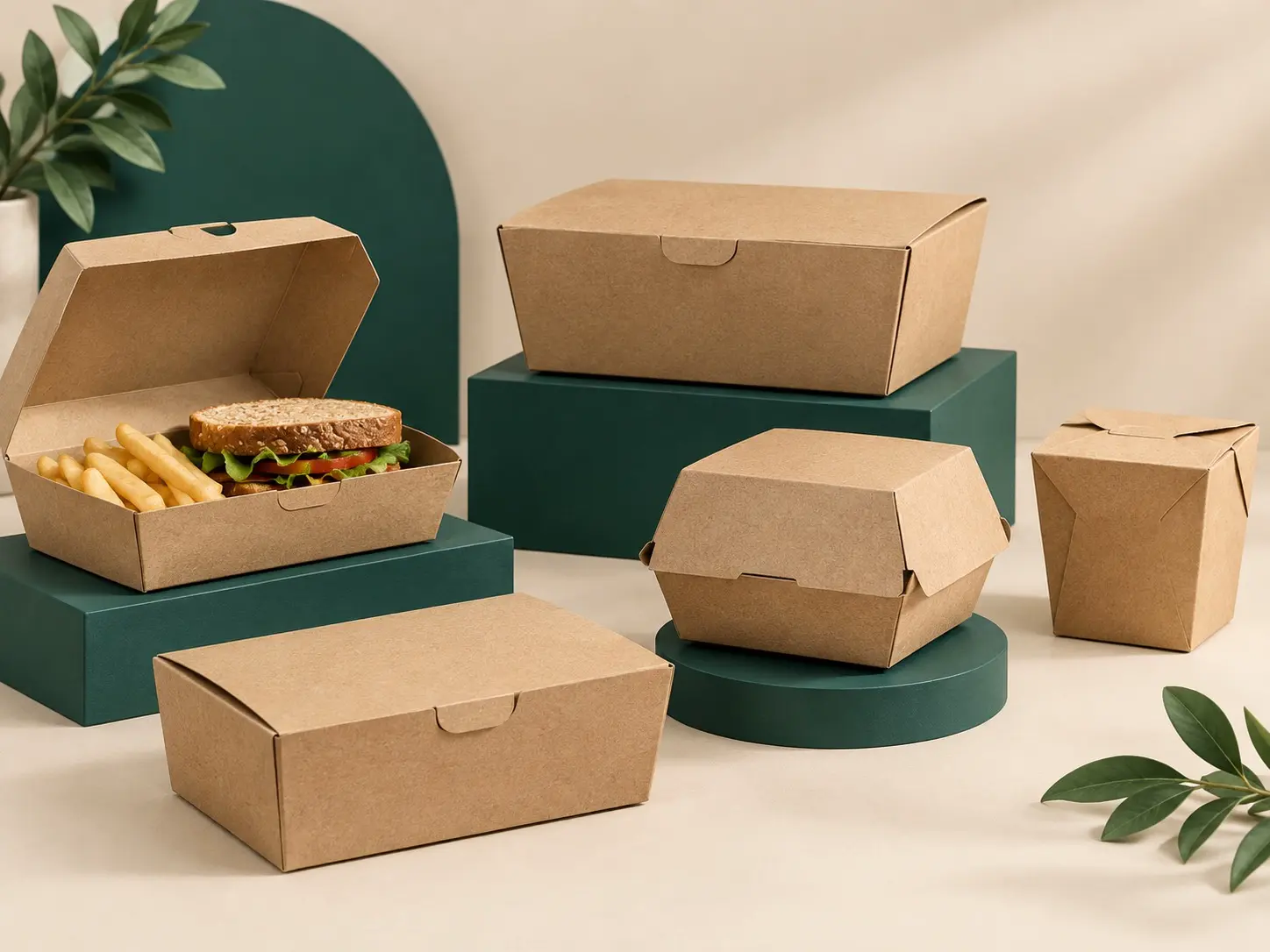
Scatole per alimenti in carta Kraft
Confezioni da asporto per riso, noodles, pasta, insalate e piatti pronti. Confronta la forma, la capacità utile, il metodo di chiusura e la superficie interna.
Visualizza le scatole per alimenti in carta kraft

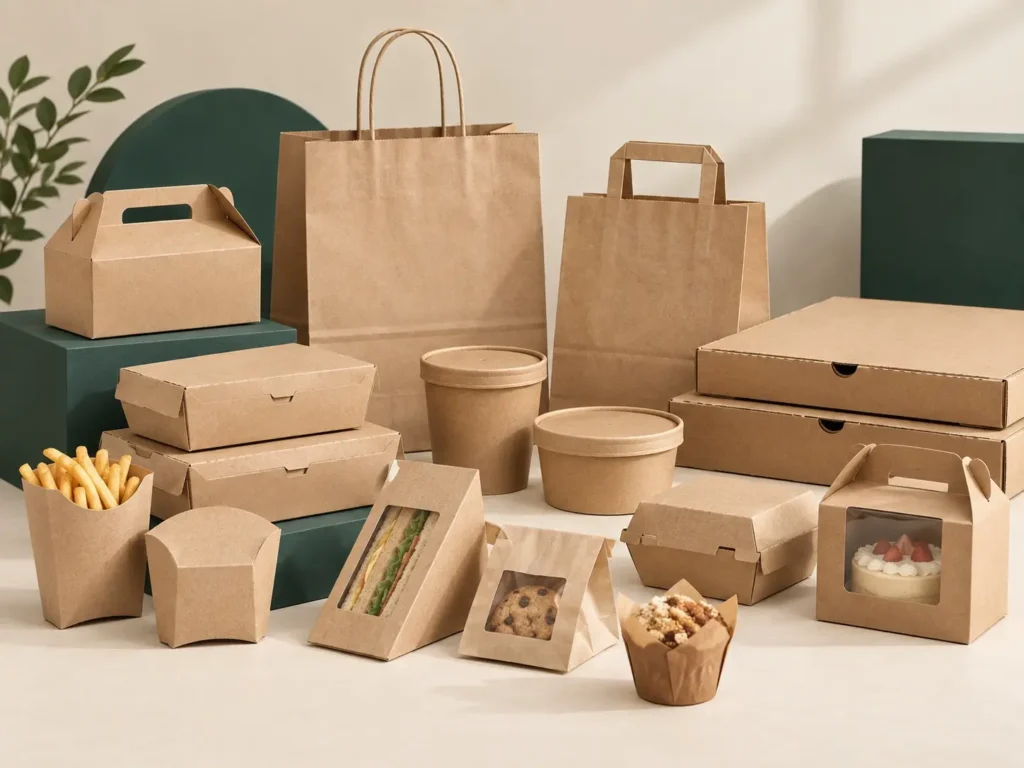
Youshang fornisce scatole per alimenti in carta kraft, scatole per torte, scatole per pizza e sacchetti di carta destinati a ristoranti, panetterie, servizi di asporto, consegna di cibo a domicilio, imballaggi per la vendita al dettaglio e distribuzione all’ingrosso.
Gli acquirenti possono scegliere tra i formati di confezione disponibili oppure richiedere confezioni in carta personalizzate con stampa per il proprio marchio. Per l’articolo selezionato è necessario confermare la forma del prodotto, le dimensioni interne, la struttura della carta, la superficie interna a contatto con gli alimenti, il metodo di chiusura e la quantità di confezionamento.
Scegli una categoria per confrontare i formati, le dimensioni, le caratteristiche costruttive e le opzioni di stampa disponibili.
Confezioni da asporto per riso, noodles, pasta, insalate e piatti pronti. Confronta la forma, la capacità utile, il metodo di chiusura e la superficie interna.
Visualizza le scatole per alimenti in carta kraft →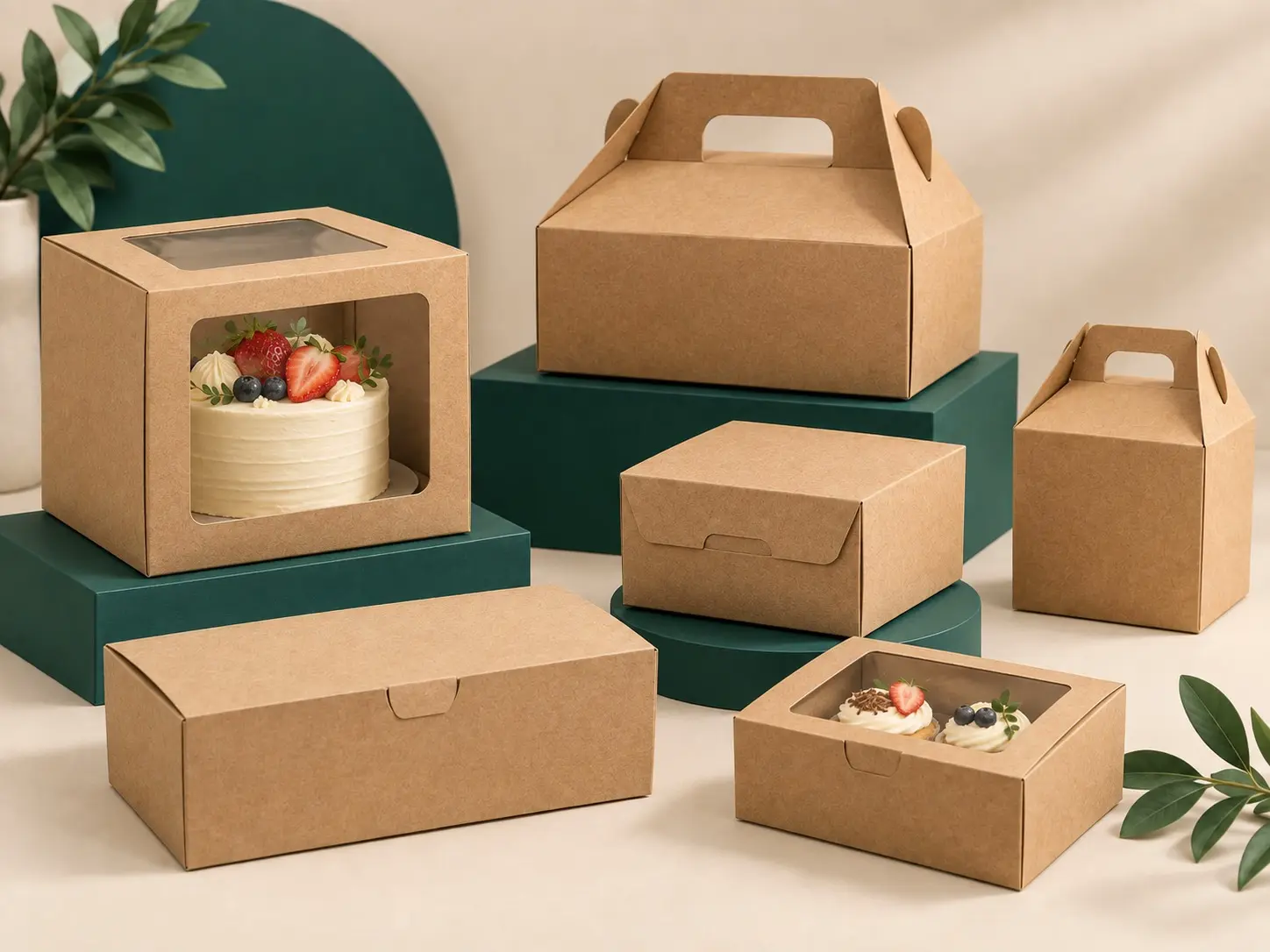
Scatole per torte intere, dolci e prodotti da forno. Confronta le dimensioni interne (lunghezza, larghezza, altezza), l’adattabilità al cartoncino per torte e i requisiti relativi alla finestrella.
Visualizza le scatole per torte in carta Kraft →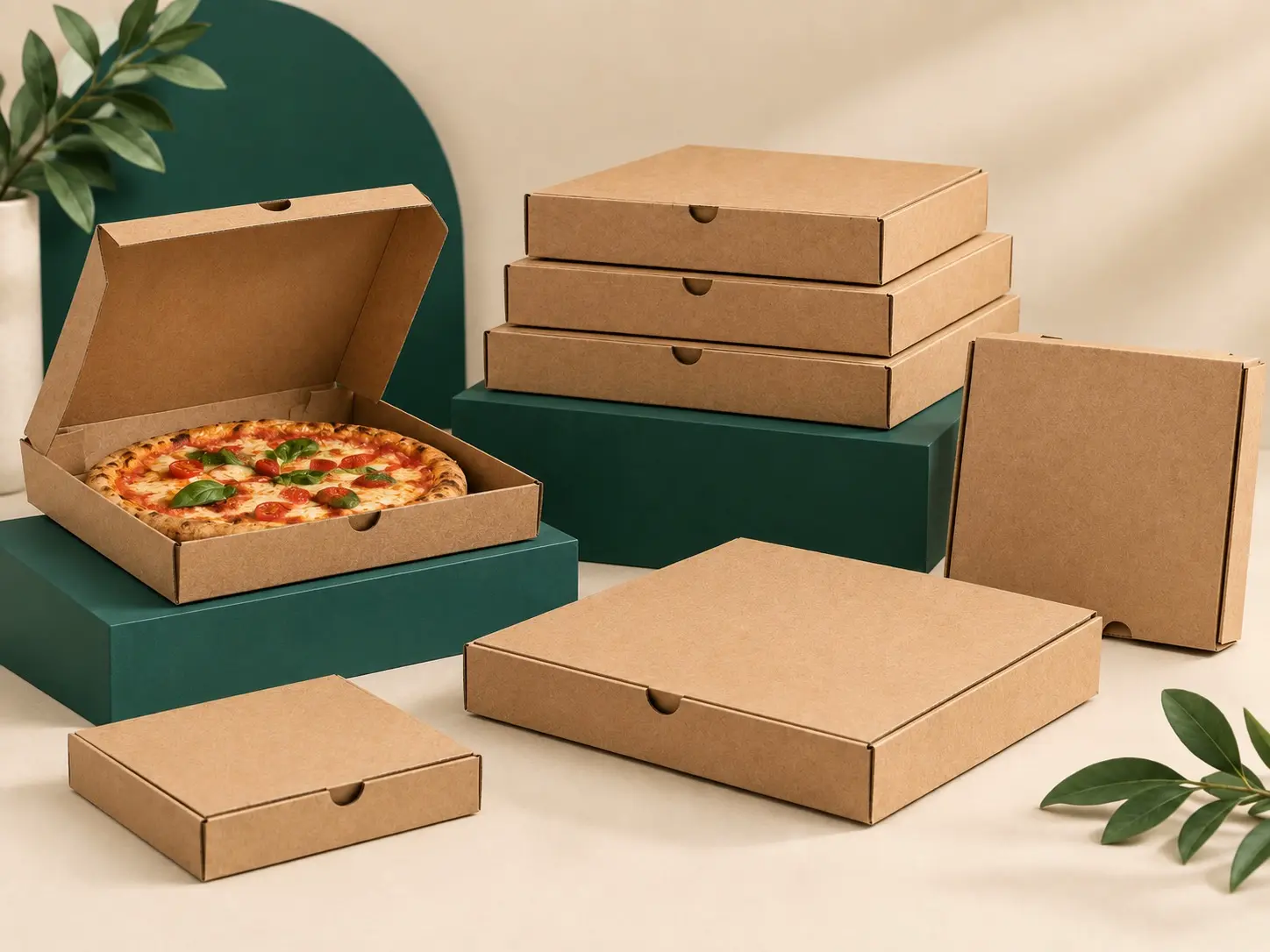
Scatole di cartone ondulato per pizza da asporto e a domicilio. Confronta le dimensioni interne, la struttura del cartone, il tipo di chiusura e le esigenze di ventilazione.
Visualizza le scatole per pizza in carta Kraft →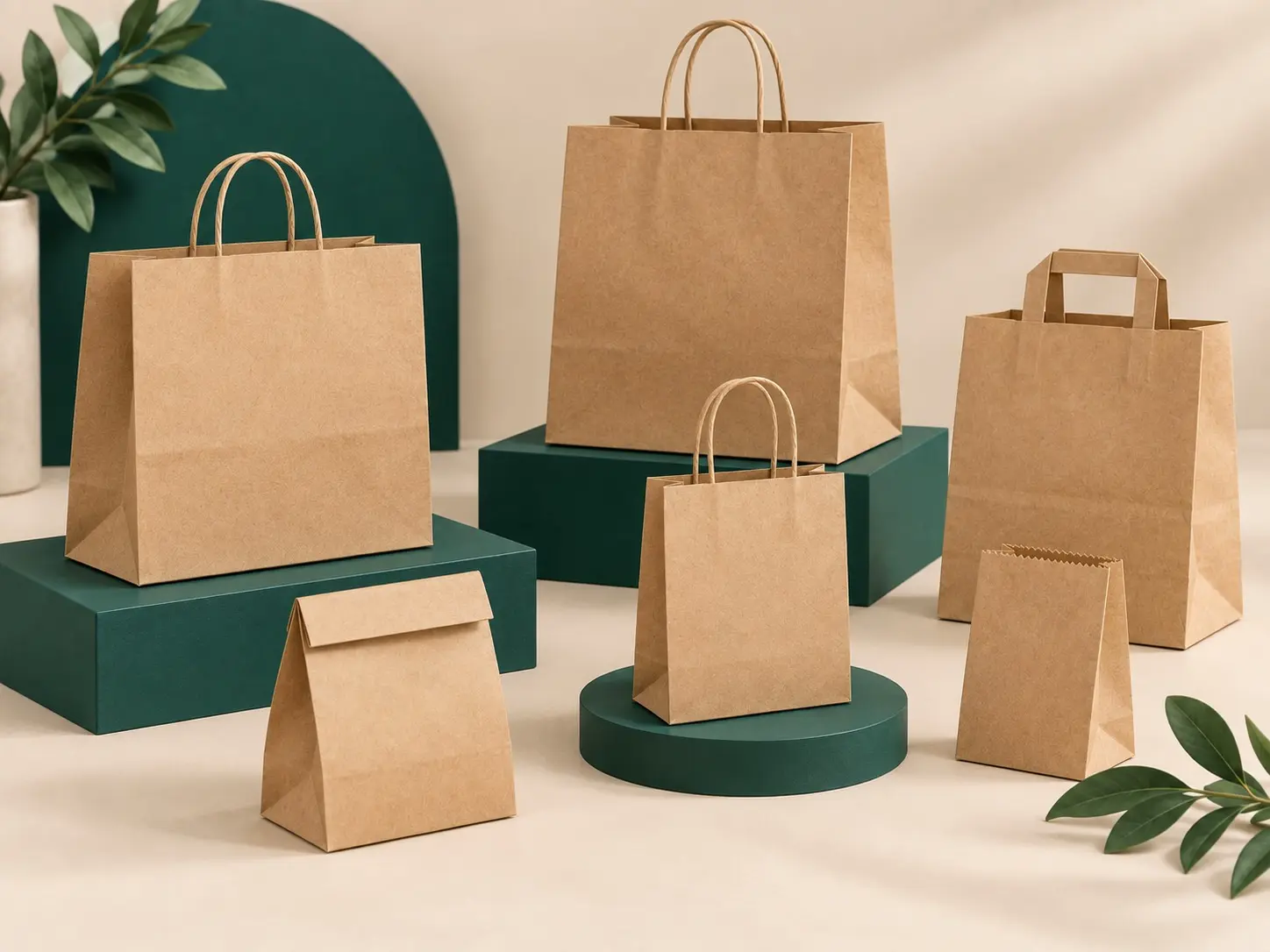
Sacchetti di carta per pasti da asporto, prodotti da forno e acquisti al dettaglio. Confronta larghezza, piega laterale, altezza, tipo di manici e peso di trasporto previsto.
Visualizza i sacchetti di carta Kraft →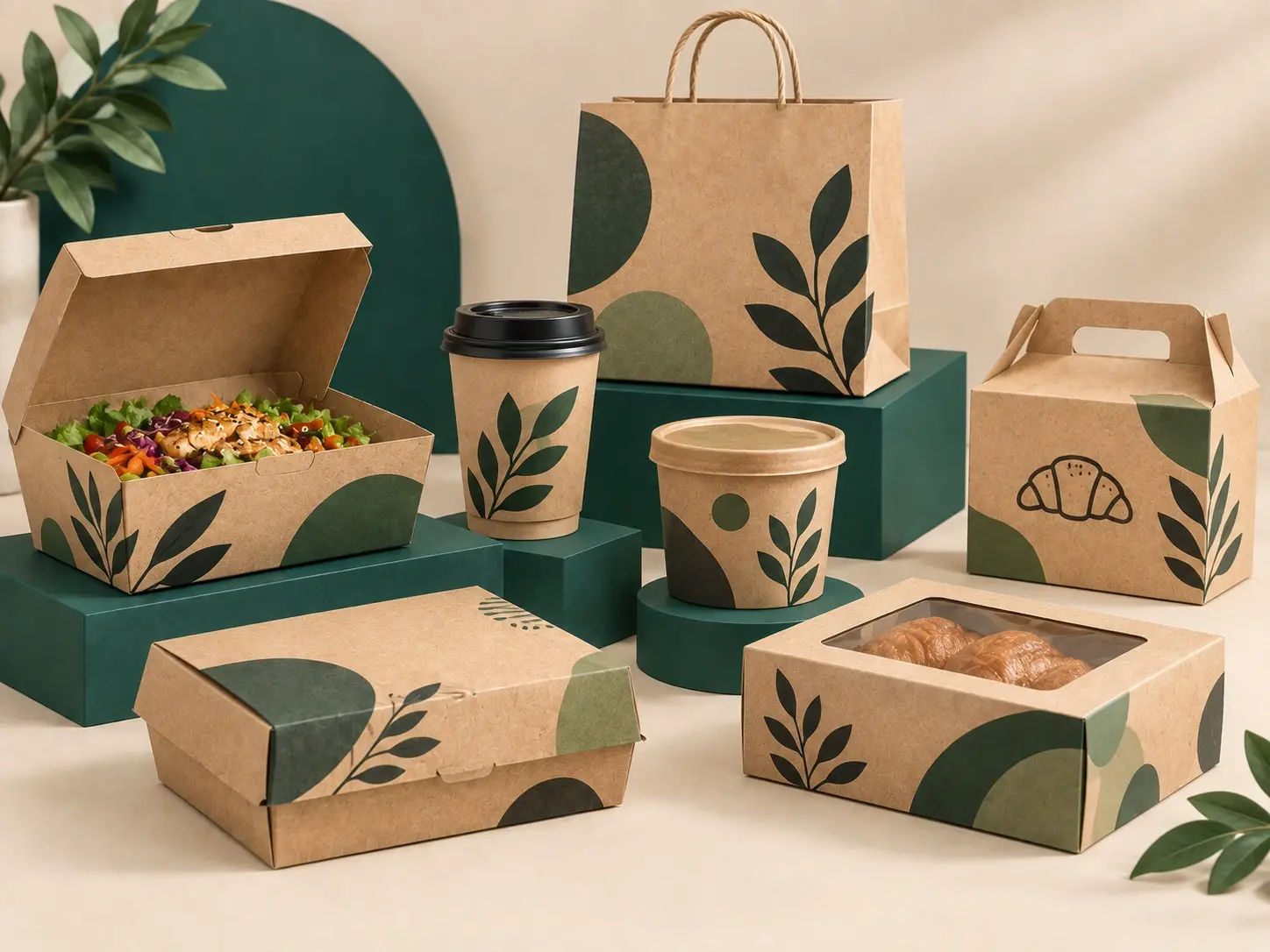
Aggiungere la grafica del marchio su scatole per alimenti, scatole per torte, scatole per pizza, sacchetti o cartoni esterni adatti. Verificare prima il prodotto, l'area di stampa, i colori e la quantità ordinata.
Visualizza imballaggi in carta con stampa personalizzata →Utilizza questa guida per scegliere l'imballaggio in carta più adatto prima di richiedere un preventivo. La guida spiega in un linguaggio semplice i formati dei prodotti, le dimensioni interne, la struttura della carta, l'idoneità all'uso alimentare, i sistemi di chiusura, i test sui campioni, la stampa personalizzata e il confronto tra preventivi.
01 / Formato di confezionamento
| Scatole per alimenti | Per piatti da asporto, noodles, riso, pasta, insalate e cibi pronti. Verificare la capacità utile, la resistenza della base e il sistema di chiusura. |
| Scatole per torte | Per torte intere, dolci e prodotti da forno. Verificare le dimensioni del vassoio, l’altezza della decorazione, il tipo di apertura e i requisiti relativi alla finestra. |
| Scatole per pizza | Per la pizza da asporto e a domicilio. Verificare le dimensioni interne, la rigidità del cartone, la ventilazione e l’impilabilità durante il trasporto. |
| Sacchetti di carta | Per trasportare contenitori da asporto, prodotti da forno o acquisti al dettaglio. Verificare le dimensioni della borsa, la piega laterale, il manico e il carico previsto. |
Non sai da dove cominciare? Inviaci una foto della confezione che usi attualmente e dicci cosa contiene. Se possibile, indica le dimensioni del prodotto o la porzione standard.
02 / Dimensioni interne
Misurate lo spazio disponibile all’interno della confezione, non solo le sue dimensioni esterne. Pieghe, bordi e lembi di chiusura possono ridurre l’area utilizzabile.
| Cassa di generi alimentari | Una volta assemblata la scatola, controlla la lunghezza, la larghezza e la profondità interne. Assicurati che la parte normale si inserisca senza ostacolare le linguette di chiusura. |
| Scatola per torte | Misura il vassoio per la torta, non solo la torta stessa. Lascia spazio sufficiente in altezza per le decorazioni e spazio laterale sufficiente per posizionare e rimuovere la torta senza danneggiarla. |
| Scatola per la pizza | Adatta il diametro della pizza alla base interna della scatola assemblata. Le dimensioni esterne potrebbero essere maggiori a causa delle pareti piegate. |
| Sacchetto di carta | Verificare la larghezza, la piega laterale e l’altezza. La piega laterale è il pannello ripiegato che, una volta aperto, consente di ottenere più spazio all’interno della borsa. |
Semplice verifica delle dimensioni: Inserire il cibo vero e proprio, il vassoio per torte, la pizza o la scatola da asporto all’interno del campione. Chiuderlo completamente e verificare che possa essere maneggiato senza schiacciare il contenuto.
03 / Costruzioni in carta
L'espressione “carta kraft” descrive l'aspetto o il tipo di carta, ma non rende conto delle caratteristiche complessive della confezione. La resistenza e le prestazioni alimentari dipendono anche dalla struttura del cartoncino, dalle pieghe e dalla superficie interna.
| Cartoncino pieghevole | Il cartoncino è la carta spessa utilizzata per realizzare la scatola. Un foglio piatto viene tagliato e piegato per dargli la forma desiderata. Confronta lo spessore, il disegno di base e le linguette di chiusura dopo l'assemblaggio. |
| Corrugated Board | This board contains a shaped middle paper layer between flat layers. It adds stiffness and is commonly used where the box must hold its shape during stacking, such as pizza packaging. |
| Inner Surface | Some paper packaging uses a coating or lining on the side that touches the food to help manage oil or moisture. Confirm the exact surface for the selected product instead of assuming every kraft box is the same. |
| Window Material | A clear window shows the product without opening the box. Confirm the window size, position and material when visibility is needed. |
04 / Food Performance
It depends on the selected paper construction and the coating or lining on the side that touches the food. A box that works for dry pastries may not be suitable for noodles with sauce.
Heat, steam, oil, sauce and the time between packing and serving can all change how paper packaging performs. Test the exact package with the buyer’s real food and normal service time.
| Dry bakery products | Check product fit, box stiffness and whether the surface or decoration is damaged when the box is closed. |
| Hot takeaway meals | Check whether heat and steam soften the base, walls or closing tabs during the normal holding time. |
| Oily or saucy food | Check for grease marks, soft areas and leakage at the base, corners and folds. |
| Pizza delivery | Check steam release, base strength and whether stacked boxes keep their shape during the expected delivery time. |
Important: Do not use a general claim about kraft paper as proof for every package. Confirm the construction of the exact product and test it with the intended food.
05 / Closures and Handling
The package must remain easy to assemble, close, carry and open during normal service. Check every added part together with the main box or bag.
| Closing Tabs | Assemble and close the box several times. The tabs should enter the correct slots without tearing, opening or pressing the food. |
| Clear Windows | Check whether the window gives a useful view of the product and remains attached around its edges during normal handling. |
| Bag Handles | Test the bag with the actual takeaway boxes or products inside. Check the handle attachment and the paper around it, not only the handle itself. |
| Base and Corners | Inspect the bottom and folded corners after filling. These areas carry the weight and are common places to notice bending, opening or leakage. |
06 / Sample Testing
Test the assembled package with the real contents and the normal working method. A flat or empty sample cannot show how it performs when filled and carried.
| Assemble It | Fold the box or open the bag as staff would during daily work. Check whether the process is clear, quick and consistent. |
| Add the Real Contents | Use the normal food portion, cake and board, pizza size or group of takeaway boxes. Do not replace the real contents with a much lighter test item. |
| Close It Fully | Check the tabs, lid, window and handle where applicable. Confirm that the package closes without crushing or touching the contents. |
| Wait, Carry and Stack | Use the normal time between packing and serving. Carry or stack the package in the same way planned for takeaway, delivery or retail display. |
07 / Custom Printing
First choose the packaging size and construction. Printing should be prepared for that exact box or bag because the printable area and fold positions change with the product.
| Print area | Choose which panels need printing and keep important text away from folds, locks, windows and glued areas. |
| Artwork | Provide the logo, text, barcode and other graphics in an editable file when available. |
| Colors | State the required brand colors and whether close color matching is important for the project. |
| Approval | Confirm how the size, position, text and colors will be reviewed before production begins. |
Minimum order quantity and production time can change with the product, print coverage, number of designs and packing method. These details should be reviewed before the final quotation is confirmed.
You do not need a formal specification. Share what you know, and we will confirm any missing details before preparing the quote.
Share the product type, approximate size or capacity, lid or section needs, or send a reference photo.
Tell us what food or drink it will hold and whether it is for dine-in, takeaway, delivery, retail or catering.
Add the estimated quantity for each product and any requirements for printing, branded packing or carton marks.
Provide the destination country or port and tell us when you expect to receive the order.
Inviaci una foto e le dimensioni del contenitore per alimenti, del vassoio per torte, della pizza o della confezione che utilizzi attualmente. Se non disponi delle dimensioni, descrivi il contenuto e la porzione standard, in modo da poter verificare quali misure disponibili siano adatte.
È possibile riutilizzare lo stesso logo e gli stessi elementi del marchio, ma il layout grafico deve solitamente essere adattato in base alle dimensioni di ciascuna confezione, poiché le dimensioni dei pannelli, le pieghe e le aree di stampa variano.
Ciò dipende dalla quantità minima d'ordine per ciascun prodotto e disegno stampato, nonché dalle modalità di imballaggio e produzione. Inviateci l'elenco completo dei prodotti e le quantità stimate per una valutazione.
È possibile. La modifica di lunghezza, larghezza, altezza, apertura o finestra può richiedere un nuovo utensile da taglio o altri preparativi di produzione. Il disegno e la quantità richiesta devono essere esaminati prima di confermare il costo e i tempi di consegna.
Vengono confermati dopo aver verificato le dimensioni dell’imballaggio, la struttura, la quantità, la stampa, il metodo di confezionamento, la destinazione e eventuali sviluppi personalizzati.